Get Free Quote
Demystifying Google’s People-First Content Policy for AI-Generated Text | E-E-A-T Best Practices
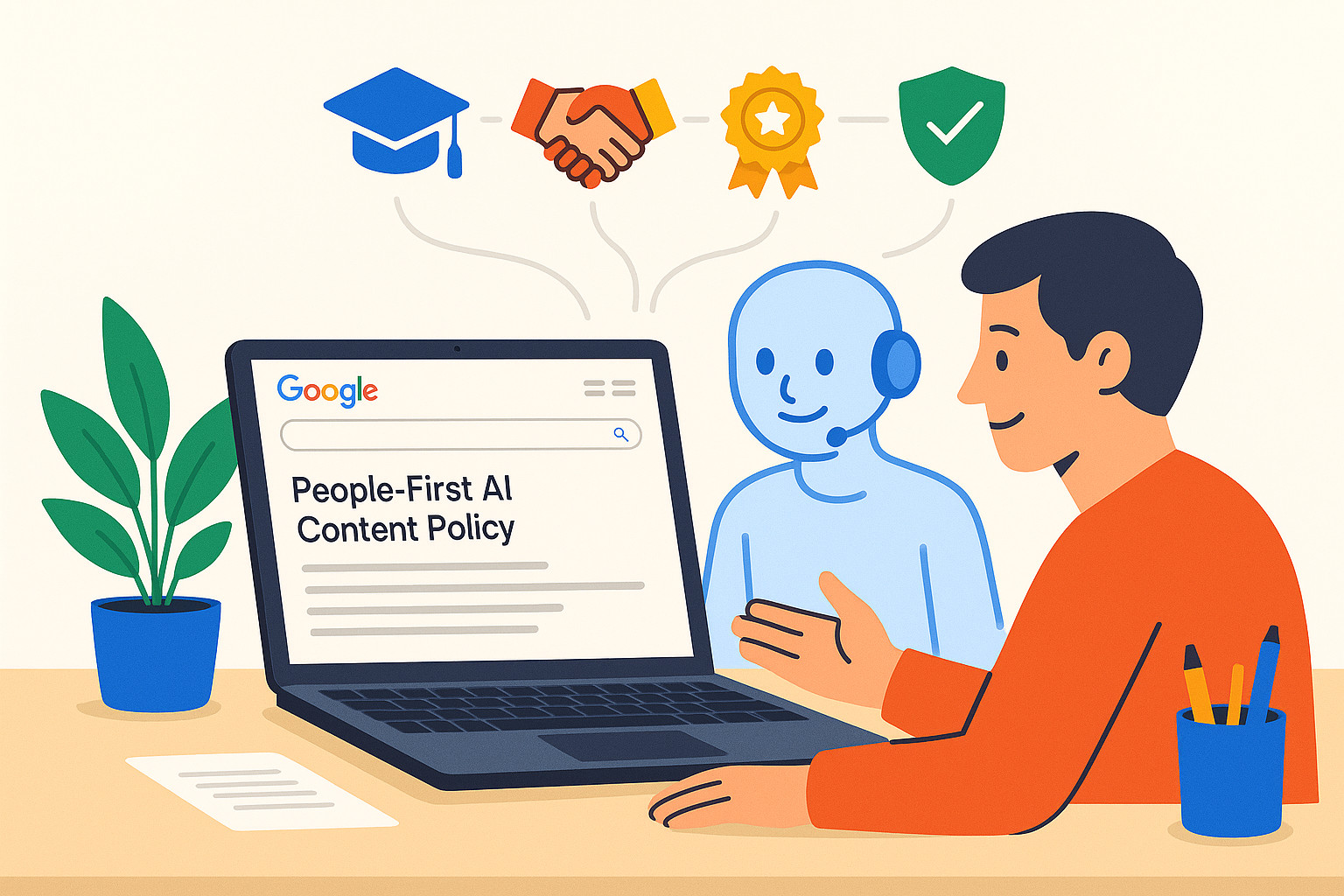
In the age of AI-driven content creation, Google has made one thing crystal clear: it’s all about people-first. Whether your text is written by a human or generated by an algorithm, what matters most is the value it delivers to real users. Let’s unpack what this means for content creators and SEOs alike.
Understanding Google’s People-First Philosophy
Google’s ranking systems are engineered to reward content that is genuinely helpful, reliable, and created with human readers in mind—not just search engines. At the heart of this approach lies the concept of E-E-A-T:
| Element | Description |
|---|---|
| Expertise | Demonstrating in-depth knowledge of the subject. |
| Experience | Showing first-hand involvement or practical background. |
| Authoritativeness | Being recognized as a go-to source in your field. |
| Trustworthiness | Ensuring accuracy, transparency, and honesty. |
These pillars apply equally to AI-generated content. As Google Search Central puts it:
“What you should focus on is not how the content is produced but whether the content is created to help people.”
— Google Search Central Blog
AI-Generated Content: Google’s Stance
Contrary to some misconceptions, Google does not automatically penalize AI-generated text. The deciding factor is usefulness:
“Appropriate use of AI or automation is not against Google guidelines.”
— Google Search Central Community
If your AI-driven content serves real user needs, offers original insights, and aligns with user intent, you’re on the right track. But if it’s spun solely to game rankings—without genuine value—it could be flagged as spam.
Best Practices for AI-Generated Content
When leveraging AI tools, follow these people-first best practices:
- Ensure Originality: Don’t regurgitate existing articles. Ask your AI to craft fresh angles or unique data.
- Demonstrate E-E-A-T: Cite reputable sources, showcase author credentials, and include personal anecdotes or case studies.
- Focus on User Intent: Identify your audience’s key questions and deliver clear, direct answers.
- Review and Edit: AI can draft quickly, but human oversight guarantees accuracy, tone, and coherence.
- Avoid Over-Optimization: Skip keyword stuffing or cloaking tactics. Prioritize readability and a natural flow.
As the Google Search Central Blog notes:
“AI has the ability to power new levels of expression and creativity, and to serve as a critical tool to help people create great content for the web.”
Potential Risks of Misaligned AI Content
While AI can be a powerful ally, misuse comes with risks. Content that’s thin, duplicated, or purely search-engine focused may face penalties:
“The ‘classic penalty’ from Google is downranking the page’s positions in the search results. The more extreme penalty is whole blacklisting domains.”
— SEO.ai Blog
Always aim to use AI as an augmenting tool—enhancing human creativity rather than replacing it.
Conclusion
Google’s people-first content policy reminds us that at the end of the day, readers matter more than algorithms. AI-generated content can shine when it’s original, authoritative, and genuinely helpful. Keep your focus on serving your audience, and you’ll stay aligned with Google’s evolving guidelines—no matter what tools you use.
References
- Google Search Central Blog – Creating Helpful, Reliable, People-First Content
- Google Search Central Blog – Google Search’s Guidance About AI-Generated Content
- Google Search Central Community – AI-Generated Content
- SEO.ai Blog – Google’s New Position and Policy for AI Text and Content
- WriterZen Blog – How to Create AI-Generated Content That Follows Google’s Guidelines
- Ethan Lazuk Blog – Creating Helpful, People-First Content for Google Search